
Blog
News
Guides, advice and news about orthopaedic aids, mobility and everyday care.
Hypoglycaemia: what it is, symptoms and what to do if your blood sugar drops
What hypoglycaemia (low blood sugar) is, its symptoms and causes, and how to act using the 15/15 rule. When it...
→
Diabetes symptoms: signs of high blood sugar you should not ignore
The main symptoms of diabetes and high blood sugar (hyperglycaemia): intense thirst, frequent urination, fatigue or blurred vision, and when...
→
Blood glucose meter or continuous glucose monitor (CGM): differences and which to choose
Differences between a classic blood glucose meter (strip reading) and a continuous glucose monitor (CGM): accuracy, convenience, price and which...
→

How often to change your glucose meter strips and lancets
How often you need to change the lancets and test strips for your blood glucose meter, how to store them...
→
Normal blood glucose levels: fasting and after-meal chart
Which blood glucose levels are considered normal when fasting and after eating, the thresholds for prediabetes and diabetes, and how...
→
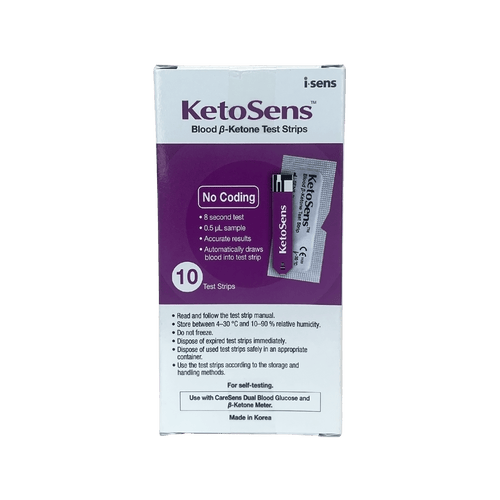
Blood ketones: what they are, normal levels and the keto diet
What blood ketones are, which levels are considered normal, their role in the ketogenic diet and how to measure them...
→
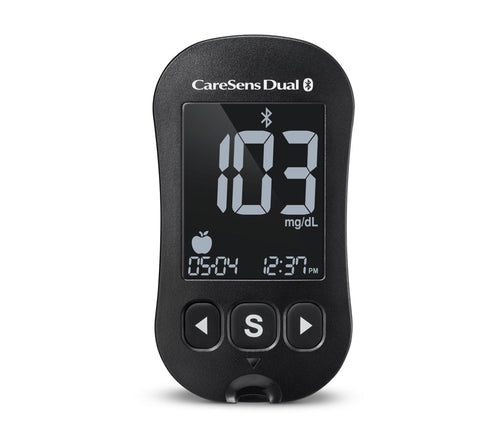
How to use the CareSens Dual blood glucose meter: step-by-step guide
A step-by-step guide to using the CareSens Dual meter: how to measure blood glucose and ketones, which strips and lancets...
→

Pediatric pulse oximeter: how to measure oxygen in babies and children
A pediatric pulse oximeter allows you to quickly and painlessly measure a baby's or child's blood oxygen (SpO2) and pulse...
→

Summer care for the elderly: preventing heatstroke
How to protect seniors from the heat: hydration, scheduling, keeping the home cool, and heatstroke warning signs. Practical tips for...
→
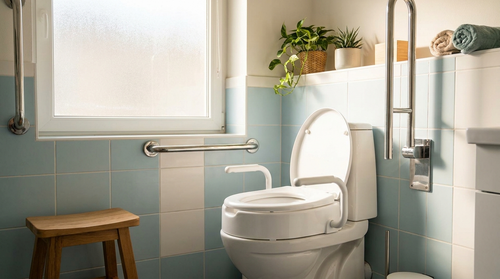
Raised Toilet Seat: Heights, Measurements, and How to Choose a Toilet Riser
Guide to choosing a toilet riser: 6, 10, and 15 cm heights, with or without lid and with handles, how...
→

Electric head lice comb: how to remove lice and nits without chemicals
How an electric lice comb works to remove lice and nits without chemicals, how to use it step-by-step, and tips...
→
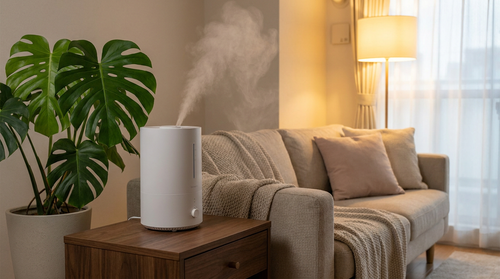
Humidifier: What it's for and its benefits for the respiratory tract
What a humidifier is for, its benefits for the respiratory tract and skin, and how to use it properly at...
→
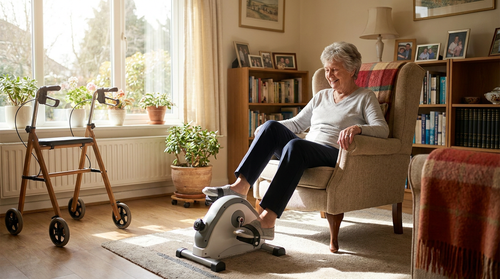
Pedal exerciser: at-home exercises for legs and arms
What is a pedal exerciser, what is it for, and how to use it to work out your legs and...
→
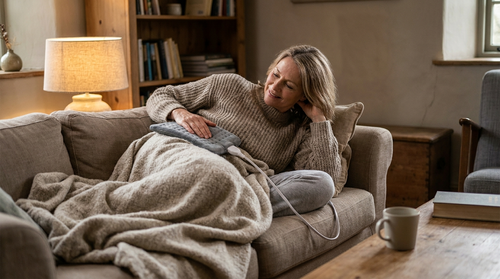
Electric heating pad: uses and benefits of therapeutic heat
What is a heating pad for and how to safely use therapeutic heat to relieve neck, back, and muscle pain.
→
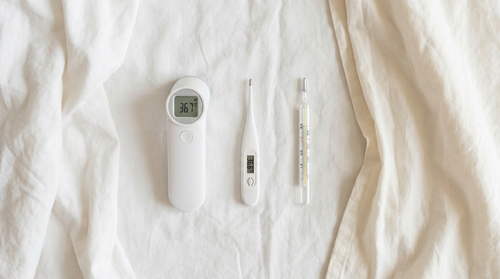
Which thermometer to choose: non-contact, digital, or gallium
Thermometer comparison: non-contact infrared, flexible digital, large display, or gallium mercury-free. Advantages, accuracy, and which is best for babies.
→

Walkers for Seniors: Types and How to Choose the Best
Practical guide to choosing the best walker for seniors: standard walker, wheeled walker, and rollator with seat. Measurements, weight, brakes,...
→
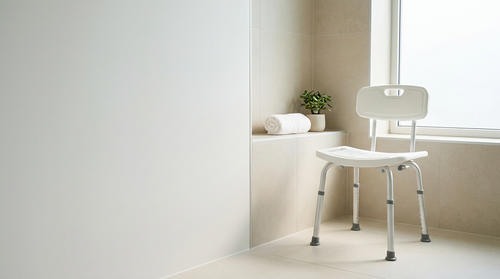
How to choose a shower chair or stool (and toilet riser) for a safe bathroom
Guide to adapting a bathroom for an elderly person or someone with reduced mobility: how to choose a shower chair...
→
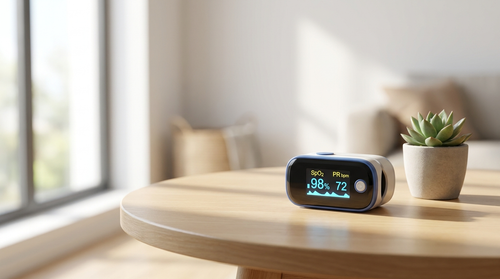
Pulse oximeter: how to use it and what oxygen (SpO2) levels are normal
What is a pulse oximeter, how to use it step by step, and what oxygen saturation (SpO2) and pulse values...
→
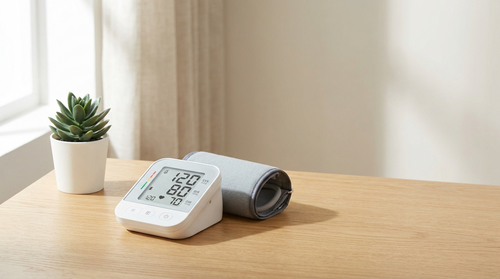
How to accurately measure blood pressure at home: a blood pressure monitor guide
Guide to accurately measuring blood pressure at home: arm or wrist blood pressure monitor, steps for a correct measurement, common...
→
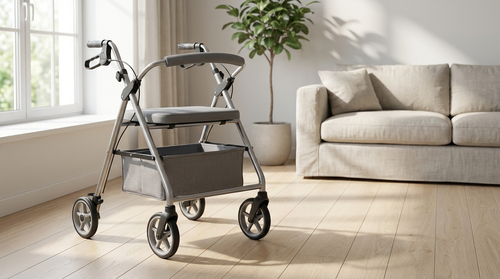
Walker or rollator: differences and which to choose for seniors
Walker or rollator? We explain the differences, advantages of each, and how to choose the most suitable one for seniors...
→
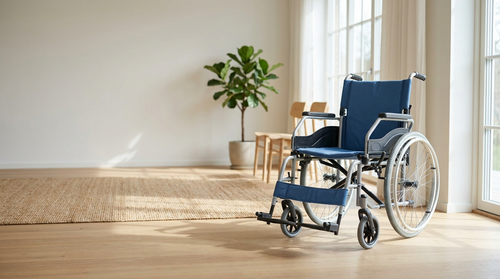
How to Choose a Wheelchair: Complete Guide and Measurement Chart
Learn how to choose the right wheelchair: types, materials, how to measure the correct size (size chart 41-51 cm), weight,...
→