
Diabetes can go unnoticed for months. Recognising the symptoms of high blood sugar (hyperglycaemia) early means you can act sooner and avoid complications. These are the signs you should not ignore.
Most common symptoms of high blood sugar
- Intense thirst and a dry mouth.
- Frequent urination, especially at night.
- Fatigue and lack of energy.
- Blurred vision.
- Constant hunger.
- Wounds that heal slowly and frequent infections.
- Weight loss with no apparent reason.
- Tingling or numbness in hands and feet.
Types of diabetes (in brief)
- Type 1: the body does not produce insulin; it usually appears quickly and at a young age.
- Type 2: the most common; the body does not use insulin properly. It is linked to lifestyle and appears gradually.
- Gestational: during pregnancy; it requires monitoring.
When to measure your glucose and seek advice
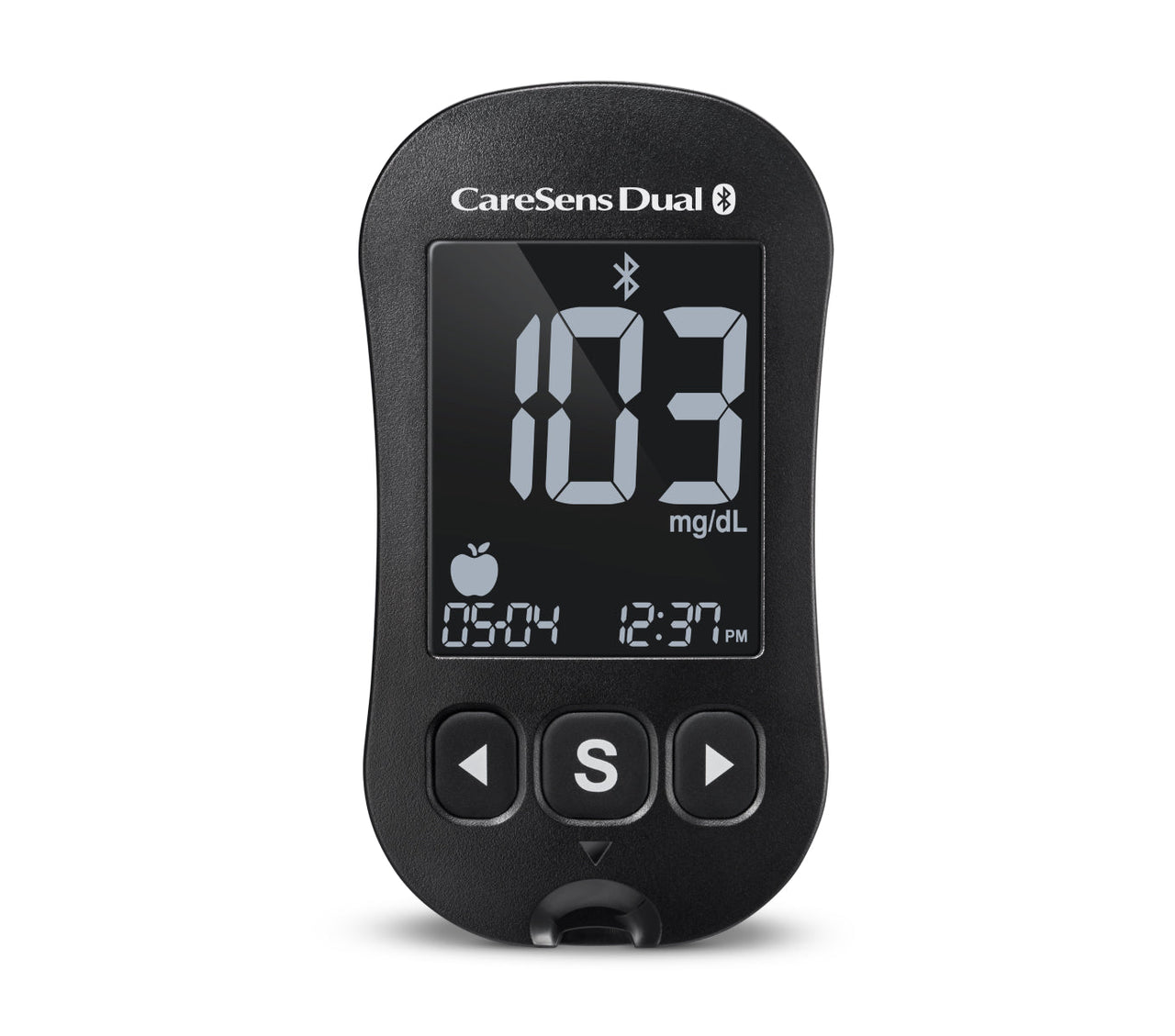
If you have several of these symptoms, measuring your blood glucose at home gives you a first indication. With a CareSens Dual meter and some CareSens Pro strips you get the result in 5 seconds. Check the table of normal blood glucose levels to interpret it. In any case, the diagnosis is confirmed by a doctor: if your values are high or the symptoms persist, go to your health centre.
All the monitoring supplies are in the glucose and diabetes monitoring category.
Frequently asked questions
Can you have diabetes without symptoms?
Yes, type 2 in particular can go for years without clear symptoms. That is why check-ups are useful.
Can measuring glucose at home diagnose diabetes?
It is a very useful first indication, but the diagnosis is made by a doctor with confirmed tests.
Which symptom is the most typical?
The combination of intense thirst and frequent urination is one of the most characteristic signs.
Informational content; it does not replace medical advice.