
Knowing your blood glucose levels helps you spot prediabetes early and keep diabetes under control. Here is a clear chart of what is considered normal, both fasting and after eating, and how to measure it yourself at home.
Blood glucose level chart
| When | Normal | Prediabetes | Diabetes |
|---|---|---|---|
| Fasting | 70 – 99 mg/dL | 100 – 125 mg/dL | 126 mg/dL or above |
| 2 h after eating | Below 140 mg/dL | 140 – 199 mg/dL | 200 mg/dL or above |
| Glycated haemoglobin (HbA1c) | Below 5.7% | 5.7 – 6.4% | 6.5% or above |
These are general reference values for adults. A diagnosis is always made by a healthcare professional using confirmed tests.
What each result means
- Hypoglycaemia: below 70 mg/dL. It can cause dizziness, sweating and trembling.
- Normal: the body is regulating glucose well.
- Prediabetes: a warning sign; it can be reversed with lifestyle changes.
- Diabetes: requires follow-up and often frequent measurement at home.
How to measure your blood glucose at home
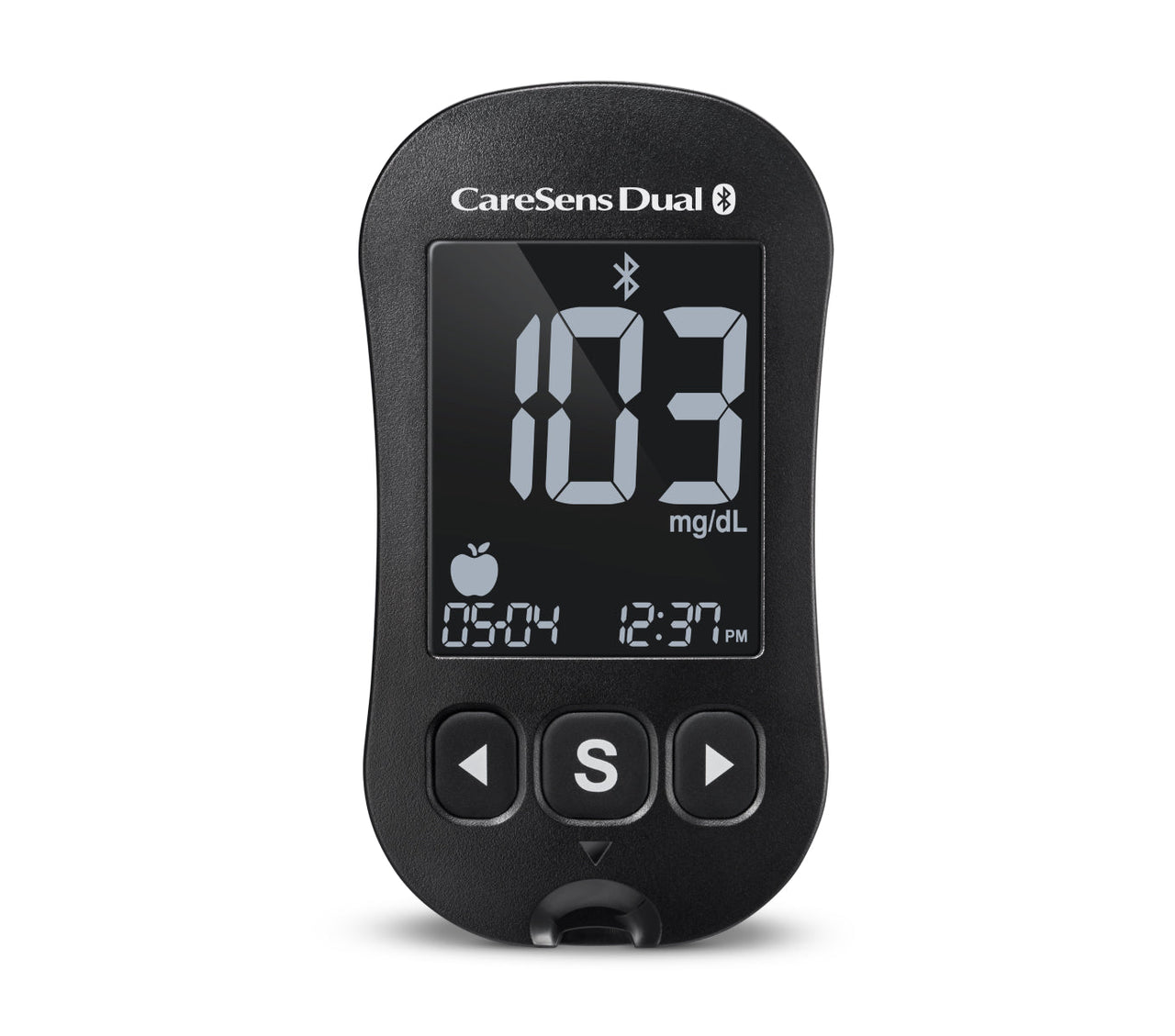
With a meter such as the CareSens Dual and some CareSens Pro strips, you get the result in 5 seconds from a tiny drop of blood. We explain the full process in our guide on how to use the CareSens Dual meter. You can see all the monitoring supplies in the glucose and diabetes monitoring category.
When to see a doctor
If you repeatedly get values above the normal range, symptoms such as intense thirst, frequent urination or fatigue, or frequent hypoglycaemia, talk to your doctor.
Frequently asked questions
What is the normal fasting glucose level?
Between 70 and 99 mg/dL in healthy adults.
What glucose level is considered high after eating?
Above 140 mg/dL at 2 hours is already outside the normal range; 200 mg/dL or above is a criterion for diabetes.
How often should I measure?
It depends on your situation and on what your doctor advises. In diabetes it is usually measured several times a day.
This content is informational and does not replace medical advice. If you have any concerns about your health, consult a professional.